How long does it take to become a medical assistant? The most common answer is “it depends on the program” — and that’s true. But what most people really want to know is: how soon can I be working and earning a paycheck?
The difference between a few-month program and a two-year program isn’t just time. It’s tens of thousands of dollars in income you either earn or don’t. Here’s how program length actually affects your career — and your wallet — in Tulsa.
The three timelines
Fast track: focused certificate programs
- Training length: A few months of intensive, focused training
- Total time to employment: Approximately 4–6 months (including enrollment, training, and job search)
- Cost: Typically $2,000–$6,000
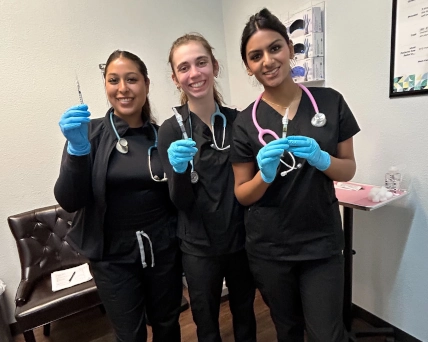
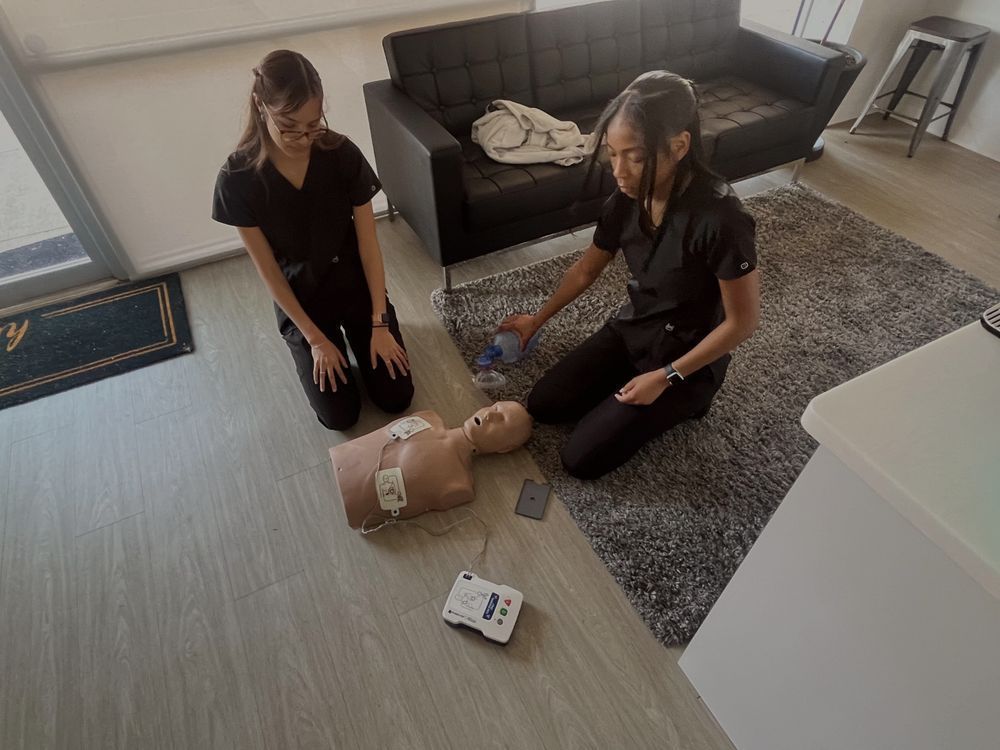
- What’s included: Clinical skills, administrative training, certification prep
- What’s not included: General education courses (because they’re not needed for the job)
Mid-range: diploma programs
- Training length: 9–12 months
- Total time to employment: Approximately 10–14 months
- Cost: $5,000–$15,000
- What’s included: Broader curriculum, often with an externship component
Long track: associate’s degree programs
- Training length: 18–24 months
- Total time to employment: 2+ years
- Cost: $10,000–$25,000+
- What’s included: Medical assisting coursework plus general education (English, math, sciences)
The earning advantage of starting sooner
This is the part most program comparison guides skip. Let’s do the math:
A medical assistant earning the national median salary of approximately $45,690/year who starts working **12 months sooner than someone in a longer program earns an additional **$45,690 in that time. Factor in lower tuition costs and the gap widens even further.
Over five years:
| |
Fast-Track Graduate |
2-Year Program Graduate |
| Training cost |
~$3,000–$5,000 |
~$15,000–$25,000 |
| Years earning in first 5 |
~4.5 years |
~3 years |
| Approximate earnings |
~$198,000 |
~$132,000 |
| Net advantage |
Roughly $60,000–$80,000 ahead |
— |
These are approximate figures, but the pattern is clear: starting sooner and spending less on training creates a significant financial advantage that compounds over time.
Do you need a degree to become a medical assistant?
In most states, no. The majority of medical assistant positions require:
- Completion of a training program (certificate, diploma, or degree)
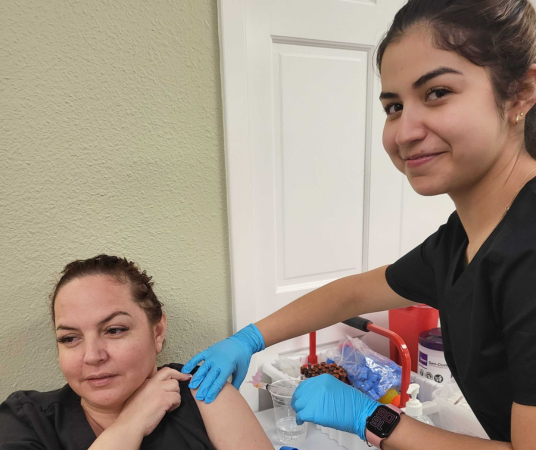
- Clinical competence in core skills (vitals, phlebotomy, injections, EKGs, sterilization)
- Preferably, a recognized certification (CCMA, RMA, or CMA)
An associate’s degree is an option, but the extra general education courses rarely change the entry-level job you’re hired for. If your goal is to start working and earning as quickly as possible, a focused certificate program is typically the smartest route.
What every program should cover (regardless of length)
Whether the program takes 3 months or 2 years, it should prepare you to:
Clinical skills:
- Take and record vital signs accurately
- Perform phlebotomy and handle specimens safely
- Administer injections using proper technique
- Run EKG/ECG procedures
- Maintain infection control and follow OSHA standards
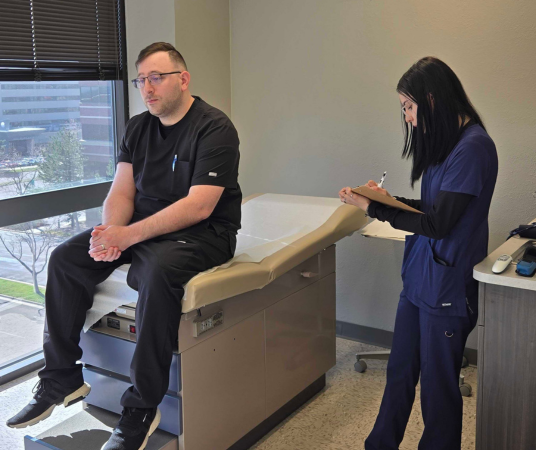
- Assist physicians during exams and procedures
Administrative skills:
- Manage patient scheduling and flow
- Navigate electronic health records (EHR)
- Handle insurance verification and billing basics
- Maintain HIPAA compliance
- Communicate professionally with patients and staff
If a program doesn’t cover these — regardless of how long it is — it’s not preparing you for the job.
Ready to start your career in Tulsa?